Overview of the most used RAL colors
The RAL color system is one of the most recognized color matching systems in the world. Originating in Germany, it's widely used in architecture, construction, manufacturing and infrastructure. Among the many colors in the RAL Classic palette, some shades have become especially popular due to their versatility, aesthetics and practical advantages.
Below you find an overview of the most commonly used RAL colors and the reasons for their popularity.
RAL 1023: Traffic yellow
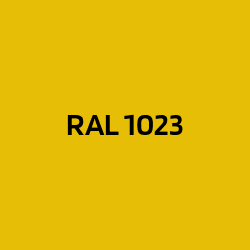
RAL 1023 is closely associated with visibility and alertness. In real life, it's frequently seen on construction machinery, industrial equipment and safety barriers, where its bright, energetic tone helps objects stand out quickly against urban or natural backgrounds. This color is also common in road signage, logistics vehicles and warehouse markings because it draws attention without being as aggressive as red. Beyond safety applications, RAL 1023 appears in product design and branding when companies want to communicate optimism, efficiency and modernity.
RAL 2009: Traffic orange
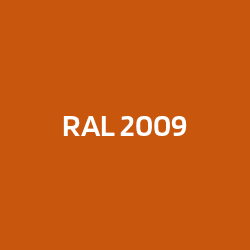
RAL 2009 combines warmth with high contrast, making it especially effective in situations that require quick recognition. It's often used on temporary road signs, detour markers and protective clothing for workers in traffic management or emergency services. The color balances urgency and friendliness, which is why it's also popular in for example sports equipment, bicycles and outdoor gear. In architecture and interior design, RAL 2009 is sometimes applied as an accent color to create a sense of movement and creativity.
RAL 3000: Flame red
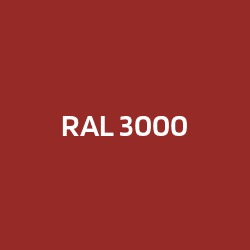
RAL 3000 carries strong emotional and symbolic weight. It's commonly associated with danger, importance and action, which explains its widespread use on fire extinguishers, fire trucks and emergency equipment. This shade of red is designed to be immediately noticeable, even from a distance or in low-visibility conditions. Outside of safety-related contexts, RAL 3000 is also used to convey strength, reliability and authority. Its bold character makes it a powerful choice whenever a message needs to be communicated quickly and without ambiguity.
RAL 3020: Traffic red
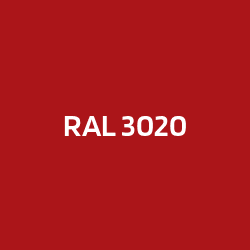
RAL 3020 is a strong and energetic red that immediately attracts attention. In real life, this color is closely associated with safety and urgency. It's commonly seen on fire engines, fire extinguishers and emergency equipment, where fast recognition can make a real diHerence. RAL 3020 is also used on warning signs, barriers and industrial machinery that needs to stand out from its surroundings. Beyond safety-related uses, RAL 3020 appears in modern architecture, branding and product design, where its bold character helps convey power, speed and confidence.
RAL 5017: Traffic blue
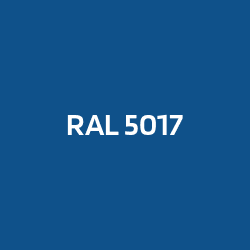
RAL 5017 offers a vivid yet calm contrast. This color is frequently used in road signage, information boards and technical equipment because it's highly visible without feeling aggressive. In urban spaces, RAL 5017 is often applied to railings, poles and public infrastructure elements, creating a clean and orderly appearance. It is also popular in industrial and corporate settings, where it communicates reliability and professionalism. In product design and branding, RAL 5017 is chosen to suggest trust and clarity.
RAL 6024: Traffic green
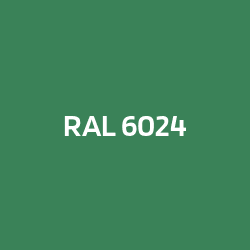
RAL 6024 is a bright, fresh green associated with permission, safety and movement. In everyday life, it's widely used on traffic-related equipment, safety markings and public transport elements. This color appears on signal housings, emergency exit indicators and machines. RAL 6024 is also common in recreational contexts, such as playground equipment, bicycles and outdoor furniture, where it feels lively and approachable. Its strong visibility makes it suitable for both functional and aesthetic purposes.
RAL 7016: Antracite grey
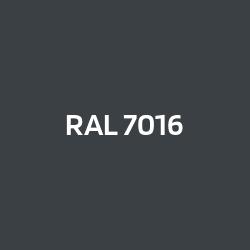
RAL 7016 is one of the most recognizable modern colors in contemporary design. It's a deep, dark gray with a slightly cool tone that conveys strength, elegance and modernity. In real life, this color is frequently used on window frames, doors, fences, and garage doors, especially in modern residential architecture. It pairs well with glass, concrete, and natural materials like wood. Beyond buildings, RAL 7016 is also popular in automotive parts, outdoor furniture and industrial equipment, where its dark tone helps mask dirt while still looking refined.
RAL 7042: Traffic grey A
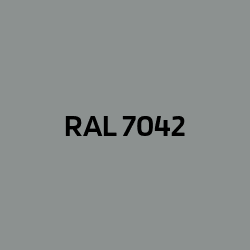
RAL 7042 is a much lighter and softer gray compared to RAL 7016. Its neutral appearance makes it highly practical in environments where visual calm and clarity are important. This color is commonly found in industrial halls, warehouses and production facilities, where it's used on walls, machinery housings, and safety-related structures. Because it reflects light well without being stark white, RAL 7042 helps create brighter workspaces while reducing eye strain. It's also used in office interiors and public buildings, where a clean, unobtrusive background color is needed to support functionality rather than dominate the space.
RAL 7043: Traffic grey B
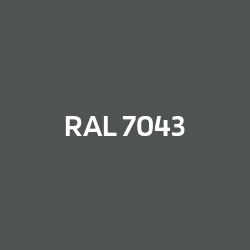
RAL 7043 sits between the darkness of RAL 7016 and the lightness of RAL 7042. It has a solid, medium-dark gray tone that feels technical and robust. In real-world applications, this color is often chosen for heavy machinery, control cabinets, railway equipment and urban infrastructure elements. Its balanced darkness makes it effective at hiding wear and grime, which is essential in high-use or outdoor environments. At the same time, it maintains a professional and orderly appearance, making it suitable for both industrial settings and modern public spaces.
RAL 9001: Cream
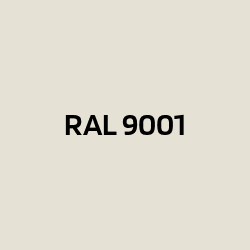
RAL 9001 is a warm off-white that feels softer and more traditional than pure white. In real life, it's often chosen for residential interiors, doors, window frames and furniture where a cozy and welcoming atmosphere is desired. Because it reflects light gently without appearing stark, it works well in older buildings, classic architecture and spaces where designers want to avoid a cold or clinical look. Many people also prefer RAL 9001 for exterior applications, as it tends to age gracefully and show less dirt than brighter whites.
RAL 9005: Jet black
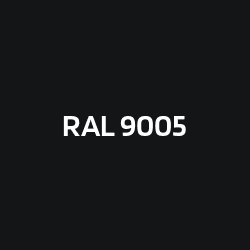
RAL 9005 represents the deepest and most intense black in the RAL Classic system. It's widely used when a strong visual statement is needed, such as in modern architecture, metal structures, railings and industrial equipment. In everyday life, this color appears on window frames, lighting fixtures, electronics and furniture. Its popularity comes from its ability to create sharp contrast and a sense of elegance, especially when paired with white surfaces, glass or natural materials like wood and stone.
RAL 9010: Pure white
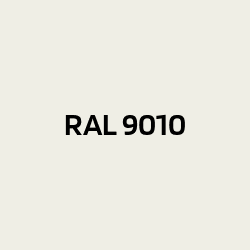
RAL 9010 sits between warm and cool tones, making it one of the most adaptable whites available. It's extremely common in interior walls, ceilings and trim because it looks clean without feeling too bright. In real-life settings, RAL 9010 is frequently used in homes, offices, schools and hospitals where a neutral and calm background is needed. Its balanced tone allows it to work well with both warm and cool color palettes, which is why it remains a long-standing favorite among architects and interior designers.
RAL 9016: Traffic white
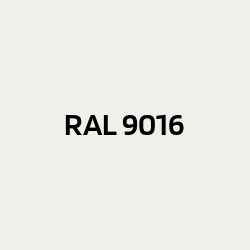
RAL 9016 is a brighter and cooler white compared to RAL 9010. It's often chosen for modern spaces that emphasize clarity, light and minimalism. In everyday use, this color appears on contemporary facades, window frames, radiators, cabinets and kitchen surfaces. Because it reflects a high amount of light, RAL 9016 helps make rooms feel larger and more open, which is especially useful in small urban apartments and commercial interiors.
RAL 9017: Traffic black

RAL 9017 is slightly softer than RAL 9005 but still clearly dark and bold. In real-life applications, it's often selected for functional and technical elements such as frames, profiles, machines and outdoor fixtures. This color is popular where a black surface is needed but extreme contrast is not the main goal. Its subtlety makes it suitable for environments where durability, practicality and a modern appearance must be balanced.
Conclusion
RAL colors play a crucial role in modern life by providing a common visual language for a multitude of applications, such as in infrastructure. From the unmistakable red of a stop sign to the bright white of lane markings, these standardized colors help millions of road users navigate safely every day. The RAL color standards are not just useful; they are an essential part of daily life.


